Best overall: a heat pump for Sydney homes with a suitable outdoor installation area. Best for continuous supply: continuous-flow gas where a suitable gas connection exists. Best for a straightforward replacement: electric storage. This 2026 guide compares the best hot water systems Sydney homeowners should shortlist, including solar hot water and gas storage, against household demand, installation constraints and maintenance.
- The best hot water systems Sydney homeowners choose must match household demand, available space and existing connections.
- Heat pumps are the default shortlist choice when outdoor space, airflow and noise requirements can be met.
- Continuous-flow gas suits homes needing extended hot water delivery, but simultaneous outlet capacity still matters.
- Priority Plus Plumbing provides hot water services for homeowners and businesses in Sutherland Shire and Sydney.
Why this matters
Choose the system type before choosing a manufacturer. A well-known unit still disappoints when its storage capacity, recovery rate or flow capacity does not match your household. Replacing the existing unit with the same type also preserves limitations you already dislike.
Priority Plus Plumbing provides hot water and 24-hour emergency plumbing services in Sutherland Shire and Sydney. For an urgent replacement in 2026, separate the immediate fault diagnosis from the longer-term system decision: a repairable component does not automatically justify replacing the whole unit.
Start with what happens during your busiest period. Consecutive showers, overlapping bathroom use and the time available for reheating tell you more than bedroom count alone.
What makes the best hot water system?
Use these criteria to assess any 2026 hot water proposal before comparing equipment names:
- Demand fit: Storage systems need enough usable hot water and recovery capacity; instantaneous systems need enough flow at the required temperature rise.
- Site suitability: Check access, clearances, drainage, airflow, roof conditions and safe service access for the proposed location.
- Energy compatibility: Establish the electrical supply, existing gas connection, solar electricity arrangements and relevant tariff conditions.
- Installation scope: Compare the complete installation, including any electrical work, pipe alterations, removal and required safety components.
- Operating conditions: Account for outdoor temperature, shading, noise placement and when the household uses hot water.
- Maintenance access: Choose a location where valves, filters, tanks and other serviceable parts remain accessible.
Sydney hot water systems at a glance
These are system categories, not claims that every model within a category performs alike. Ask for the proposed model's specifications before accepting a recommendation.
| System type | Best for | Standout feature | Key limitation |
|---|---|---|---|
| Heat pump | Electrification with suitable outdoor space | Transfers heat from surrounding air into stored water | Needs suitable airflow, placement and recovery capacity |
| Continuous-flow gas | Extended hot water delivery with an existing gas connection | Heats water as it passes through the unit | Simultaneous demand is limited by heating and flow capacity |
| Electric storage | Straightforward replacement of compatible electric storage | Familiar tank-based design without a compressor or gas burner | Stored hot water can run out before reheating |
| Solar hot water | Homes with a suitable, unshaded roof | Roof collectors supply solar heat to the system | Roof suitability and a booster are important |
| Gas storage | Compatible replacement where gas storage already suits demand | Stores heated water and reheats using a gas burner | Tank space, standing heat loss and gas dependence |
1. Heat pump: best hot water system for household electrification
A heat pump uses electricity to transfer heat from surrounding air into a storage tank. Unlike conventional electric resistance heating, its main heating process moves heat rather than generating all the heat directly through an element.
Best for: A Sydney household replacing electric storage that has a suitable outdoor location and wants to reduce electricity used for water heating.
Heat pump pros:
- Heat transfer uses less electricity than resistance heating for the same heat output under suitable operating conditions.
- Water heating does not require a gas connection.
- Compatible controls can schedule heating around household routines or solar electricity generation.
Heat pump cons:
- Fan and compressor noise need consideration near bedrooms and neighbouring properties.
- Recovery performance depends on the model and operating conditions; storage still needs correct sizing.
- Installation needs appropriate airflow and management of condensate and valve discharge.
Do not select a heat pump on tank size alone. Check the proposed unit's recovery information, backup heating arrangements and operating temperature range against your actual use. An advertised efficiency figure does not establish how a particular installation will perform.
Verdict: Buy a heat pump when the site and recovery assessment support it; do not force it into an unsuitable location.
2. Continuous-flow gas: best for extended hot water delivery
Continuous-flow gas heats water as it travels through the appliance rather than keeping a tank hot. It avoids the specific problem of exhausting a stored volume, but it does not provide unlimited simultaneous flow.
Best for: Homes with a suitable existing gas connection where extended shower use matters and the unit can meet overlapping demand.
Continuous-flow gas pros:
- Hot water delivery does not depend on a stored tank volume.
- The appliance avoids storage-tank standing heat losses.
- A compact wall-mounted arrangement suits some sites without tank space.
Continuous-flow gas cons:
- Gas supply capacity and appliance clearances restrict installation options.
- Opening several outlets can exceed the unit's heating or flow capacity.
- Units with electronic ignition and controls need electricity as well as gas.
Ask what flow the proposed unit delivers at the required temperature rise, not just its largest advertised flow figure. Colder incoming water requires more heating to reach the same delivery temperature. The gas pipework must also support the appliance alongside other connected gas equipment.
Verdict: Buy continuous-flow gas when existing services and simultaneous demand justify it; skip it if the aim is to remove household gas use.
3. Electric storage: best for a straightforward compatible replacement
Electric storage heats water in an insulated tank using an electric element. It is a practical replacement category when the existing electrical supply, location and household demand already suit this arrangement.
Best for: Households prioritising a straightforward compatible replacement without adding a gas connection or heat-pump equipment.
Electric storage pros:
- The system has no gas burner or heat-pump compressor.
- Indoor and outdoor installation options exist, subject to the model and site.
- An existing compatible installation can simplify replacement work.
Electric storage cons:
- Conventional resistance heating uses more electricity than a suitably operating heat pump to provide the same heat.
- The household can exhaust stored hot water before recovery catches up.
- Restricted heating schedules need to match the household's usage pattern.
Check why the previous system disappointed before repeating its specification. Running out after consecutive showers points to a different decision from a leaking tank that otherwise met demand. Ask whether heating controls, supply arrangements or household changes explain the problem.
Verdict: Buy electric storage for a compatible, practical replacement; hold if the current system's capacity or heating schedule already fails your household.
4. Solar hot water: best for homes with a suitable roof
Solar hot water uses roof-mounted collectors to transfer solar heat into the water-heating system. It is different from rooftop photovoltaic panels powering an electric water heater: one collects heat directly, while the other generates electricity.
Best for: Homeowners with suitable roof exposure, structural support and access who want solar thermal water heating.
Solar hot water pros:
- Solar collectors supply heat without using an electric resistance element for that portion of heating.
- A booster provides additional heating when solar input is insufficient.
- Different tank and collector arrangements allow assessment against site constraints.
Solar hot water cons:
- Shading, roof orientation and roof condition affect suitability.
- Roof access and collector maintenance add installation and servicing considerations.
- Booster operation remains part of the system's energy use.
Assess the roof before choosing equipment. Planned roof repairs, difficult access or persistent shading belong in the decision now, not after installation. If solar electricity is already installed, compare solar thermal against a suitably controlled heat pump rather than treating both as the same technology.
Verdict: Buy solar hot water only after confirming roof suitability and booster arrangements; hold if roof work is unresolved.
5. Gas storage: best for a compatible existing gas-storage setup
Gas storage keeps heated water in a tank and uses a gas burner to replenish heat. Like electric storage, it needs enough stored hot water and recovery capacity for the household's peak use.
Best for: Homes where an existing gas-storage arrangement meets demand and a compatible replacement suits the property.
Gas storage pros:
- Stored hot water supports demand without relying solely on instantaneous heating capacity.
- A compatible existing location can simplify replacement planning.
- The burner reheats the tank after hot water is drawn.
Gas storage cons:
- The tank loses heat while stored water waits for use.
- Gas supply, combustion requirements and tank space constrain placement.
- Retaining gas storage does not support a plan to remove the gas connection.
Check the particular model's electrical requirements rather than assuming every gas storage system behaves identically during a power failure. Also establish whether the existing system genuinely met demand before deciding that a similar tank is the right replacement.
Verdict: Hold until gas storage has been compared with suitable alternatives; buy only when its compatibility and demand fit make the case.
Check demand and installation before approving a quote
Priority Plus Plumbing hot water enquiries should identify the existing system, the symptoms and the household's busiest usage period. You do not need to diagnose the appliance yourself. Photographs of the unit label and accessible installation area help explain what needs assessment without touching equipment.
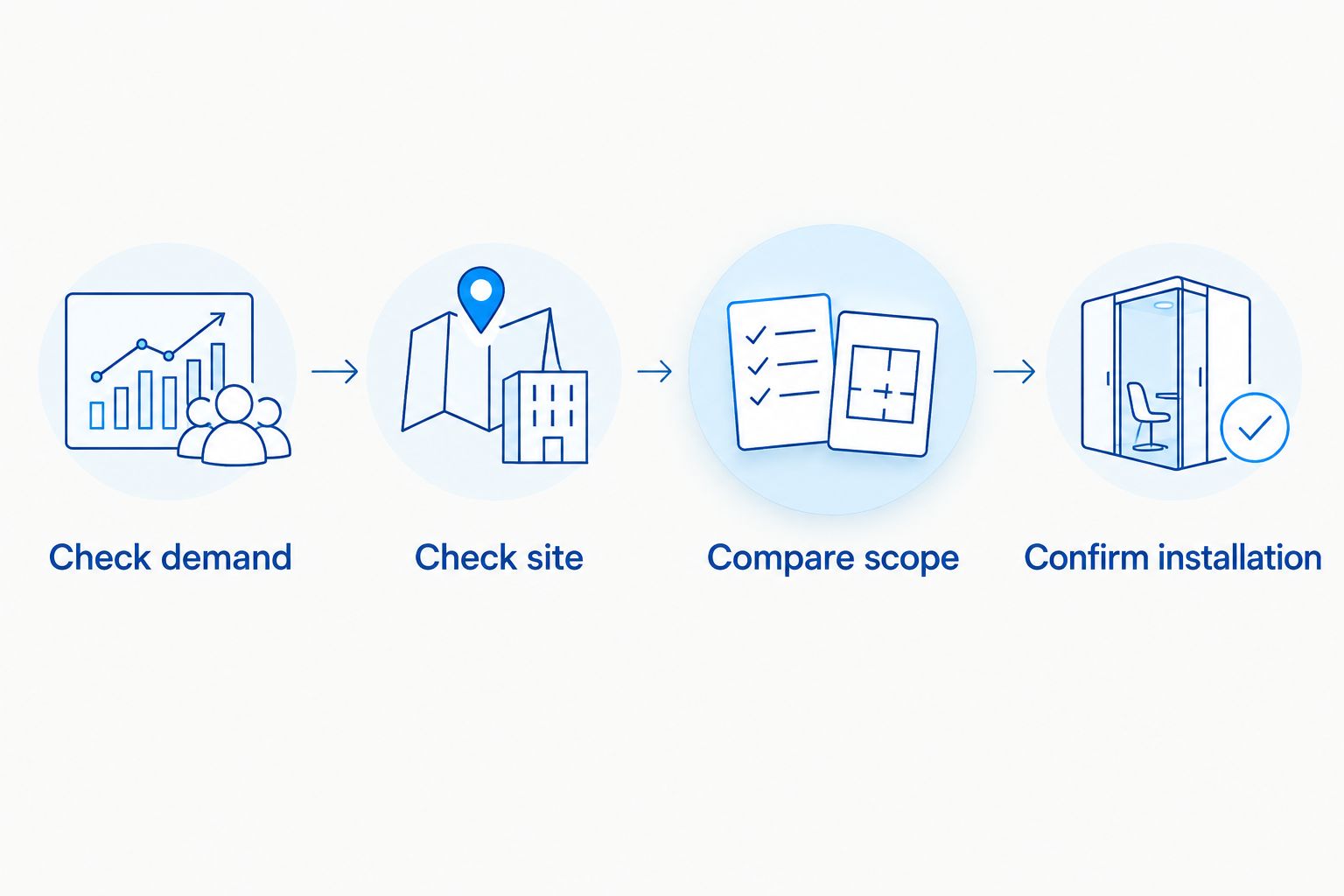
Follow this sequence when reviewing a replacement proposal:
- Check demand: Describe consecutive showers, overlapping outlets and when hot water runs out.
- Check site: Confirm access, airflow or combustion clearances, drainage, noise placement and available services.
- Compare scope: Check that each proposal covers the necessary plumbing, electrical work, removal and commissioning.
- Confirm installation: Request the proposed model details, required approvals or notifications, and maintenance instructions.
Temperature safety is part of the installation
For conventional storage hot water, 60°C is the standard minimum storage temperature used to control Legionella risk. That is not the same as the temperature delivered to a bathroom tap.
In ordinary Australian residential installations, hot water delivered to personal-hygiene fixtures is generally limited to 50°C. Temperature-control requirements depend on the installation and applicable plumbing rules. Ask the installer to explain how the proposed system meets both storage hygiene and delivery-temperature requirements.
Do not turn down a storage thermostat simply to imitate a bathroom delivery limit. Temperature control at the outlet and safe storage serve different purposes; adjustment belongs with an appropriately licensed tradesperson.
How the systems are ranked
This 2026 ranking prioritises demand fit, site suitability, energy compatibility, installation scope and maintenance access. Heat pumps lead the default shortlist because of their heat-transfer method, not because every property can accommodate one.
Priority Plus Plumbing hot water services cover homeowners and businesses, but this guide's recommendations concern Sydney homes. A commercial installation needs its own demand and compliance assessment. No category ranking replaces a model-specific installation check.
Which hot water system should you choose?
Start with a heat pump, then eliminate it only for a specific site, capacity or operating constraint. Compare continuous-flow gas where suitable gas infrastructure already exists and extended delivery is the priority. Keep compatible electric storage on the shortlist when straightforward replacement matters most.
For a 2026 replacement, ask for the reason behind the recommendation in plain language. The answer should connect your household's demand to the proposed unit's capacity and installation requirements—not simply repeat a manufacturer name.
FAQ
What’s the best hot water system for a Sydney home in 2026?
A heat pump is the default shortlist choice for a Sydney home with suitable outdoor space, airflow and recovery capacity. Continuous-flow gas, electric storage and solar hot water suit different site and usage requirements.
Is a heat pump better than electric storage?
A suitably operating heat pump uses less electricity than conventional electric resistance storage to supply the same heat. Electric storage remains a practical option where a heat pump’s placement, noise or installation requirements cannot be met.
Does continuous-flow gas mean unlimited hot water?
Continuous-flow gas avoids running out of stored hot water, but its simultaneous delivery capacity is limited. The appliance must match the required flow and temperature rise, with a suitable gas supply.
What size hot water system do I need?
Size a hot water system around peak demand and recovery or flow capacity, not bedroom count alone. Describe consecutive showers, overlapping outlets and the available reheating period to the installer.
Can rooftop solar panels run my hot water system?
Solar electricity can supply an electric hot water system while sufficient generation is available. Whether heating aligns with that generation depends on the unit’s controls, electrical arrangement and household demand.
Should I repair or replace my existing hot water unit?
Get the fault diagnosed before deciding to replace the unit. A repairable component, a leaking tank and a system that no longer meets demand require different decisions.
Who can assess an urgent hot water problem in Sutherland Shire?
Priority Plus Plumbing provides hot water services and 24/7 emergency plumbing for Sutherland Shire and Sydney. Describe the fault and any visible leakage without opening electrical covers or adjusting gas components.
One last thing
The useful number is not always the tank's capacity—it is the system's ability to handle your busiest period. A replacement that repeats the same demand mismatch repeats the same frustration, even with new equipment.
Before contacting a plumber, write down when the problem occurs and which outlets are running. Then contact the plumbing team for an assessment that separates an equipment fault from an unsuitable system.